

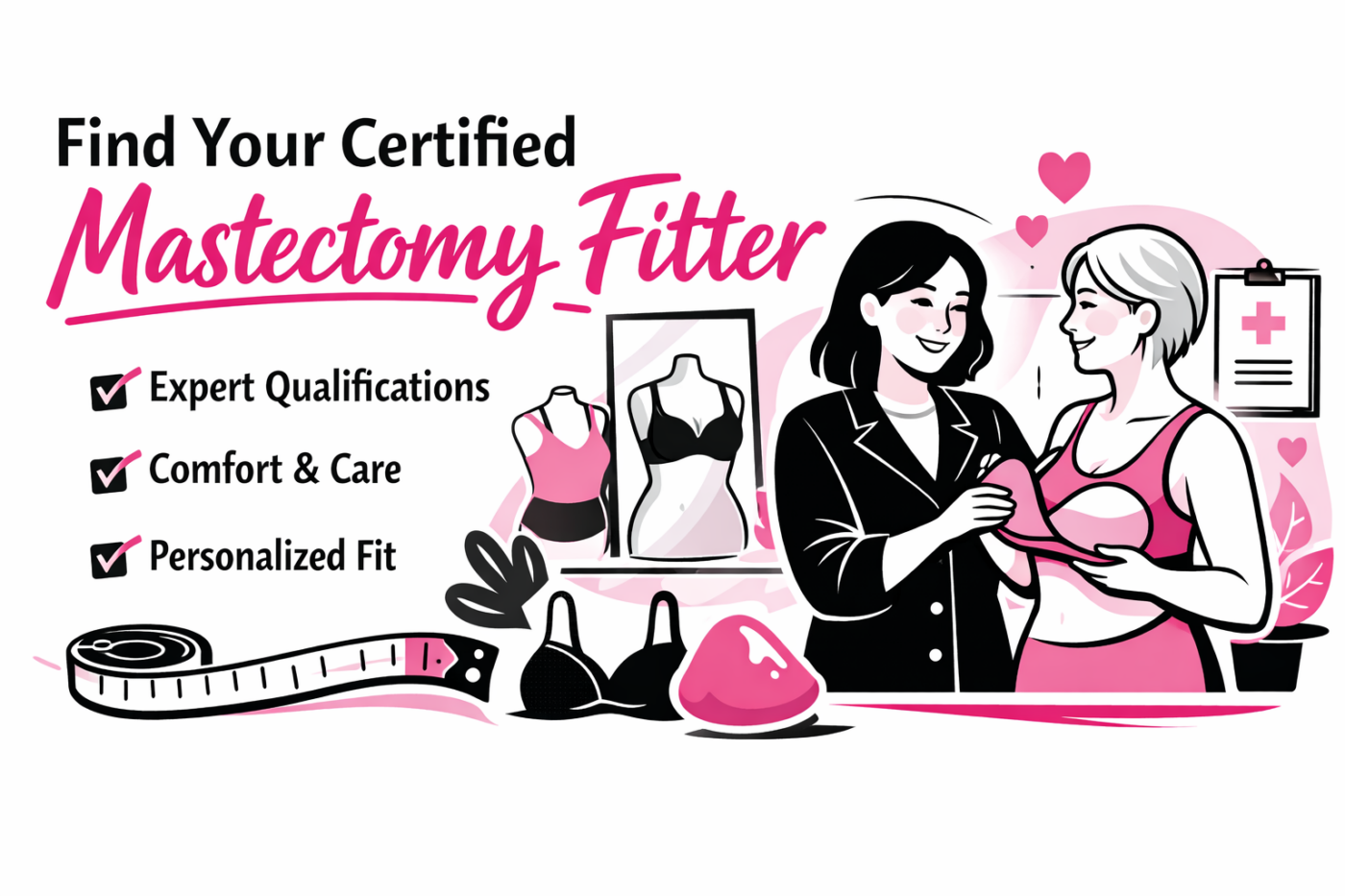
Find your perfect certified mastectomy fitter. Get the inside scoop on credentials, comfort must-haves, and how to expect a truly personalized, fitting experience.
Certified Mastectomy Fitters
Choosing a certified mastectomy fitter is a meaningful step in the recovery journey after breast surgery. It is not simply about selecting a product—it is about restoring comfort, confidence, and a sense of normalcy. Whether you are navigating this process for yourself or supporting a loved one, understanding what to look for in a fitter can make the experience feel more empowering and far less overwhelming.
A skilled fitter does more than measure and recommend garments. They listen, educate, and guide you toward solutions that align with your body, your lifestyle, and your healing process. Here is how to find the right professional for your needs.
Understand What “Certified” Really Means
The term “certified mastectomy fitter” is not just a title. It reflects specialized training in post-surgical care, prosthetic fitting, and garment selection. Certified fitters are educated in anatomy, healing timelines, and the nuances of different breast forms and bras.
Look for credentials from recognized organizations such as the American Board for Certification (ABC) or the Board of Certification/Accreditation (BOC). These certifications indicate that the fitter has completed formal training and adheres to established standards of care.
Certification also signals accountability. Professionals must maintain continuing education to stay current with evolving products and techniques. This ensures you are receiving informed, up-to-date guidance rather than outdated recommendations.
The right fitter will meet you where you are, offering expertise with empathy and professionalism.
Prioritize Experience and Specialization
Not all fitters have the same level of experience. Some work primarily with post-mastectomy patients, while others may offer it as one of many services. When possible, choose someone who specializes in mastectomy fittings.
Experience translates into intuition. A seasoned fitter can anticipate concerns you may not yet have voiced—such as asymmetry, skin sensitivity, or lifestyle preferences like swimming or travel. They are also more adept at troubleshooting fit issues and making subtle adjustments that significantly improve comfort.
Do not hesitate to ask how long they have been practicing and how frequently they perform fittings. A confident, experienced fitter will welcome these questions.
Look for a Comfortable, Private Environment
The fitting environment matters more than many people expect. This is a vulnerable experience, and the setting should reflect that.
A well-designed fitting space offers privacy, calm lighting, and a supportive atmosphere. You should never feel rushed or exposed. Many reputable boutiques provide private rooms where you can take your time, ask questions, and try different options without pressure.
Pay attention to how the staff interacts with you from the moment you arrive. Warmth, patience, and respect are essential. The right fitter will make you feel seen and supported, not like you are simply another appointment on the schedule.
Evaluate Communication Style
A strong fitter-patient relationship is built on clear, compassionate communication. The best fitters explain options in a way that is easy to understand, without overwhelming you with technical jargon.
They should ask thoughtful questions about your surgery, your daily routine, and your personal preferences. Do you want something lightweight for everyday wear? Are you looking for a more natural silhouette under fitted clothing? Do you need options for exercise or swimming?
Equally important, they should listen. If something feels uncomfortable or does not align with your expectations, your concerns should be taken seriously and addressed promptly.
Explore Product Options and Customization
Every body is different, and your fitting experience should reflect that. A qualified fitter will offer a range of products, including various breast forms, partial shapers, bras, and post-surgical garments.
Ask about customization. Some individuals benefit from lightweight forms, while others prefer weighted options for balance. Skin sensitivity, scar placement, and personal comfort all play a role in determining the right fit.
A good fitter will encourage you to try multiple options and move around in them—sit, stand, and walk—to ensure they feel natural in real life, not just in the fitting room mirror.
Consider Insurance and Practical Support
Navigating insurance coverage can feel complicated, especially during recovery. Many certified mastectomy fitters are experienced in working with insurance providers and can help guide you through the process.
Ask whether the boutique accepts your insurance and if they assist with claims or documentation. This support can save time and reduce stress, allowing you to focus on healing rather than paperwork.
Transparency is key. You should feel confident about costs, coverage, and any out-of-pocket expenses before making a decision.
Seek Reviews and Personal Recommendations
Word of mouth remains one of the most reliable ways to find a trusted fitter. If you are comfortable, ask your healthcare provider, support group, or friends for recommendations.
Online reviews can also provide insight into other patients’ experiences. Look for consistent themes—positive or negative—related to professionalism, comfort, and overall satisfaction.
While no provider will have perfect reviews, a pattern of compassionate care and strong expertise is a good sign you are on the right track.
Trust Your Instincts
Perhaps the most important factor is how you feel during the experience. Trust your instincts. If something feels off—whether it is the environment, the communication, or the level of care—it is okay to explore other options.
You deserve to feel comfortable, respected, and confident in your fitter’s expertise. This is a deeply personal process, and the right professional will honor that.
What to Expect at Your First Appointment
Knowing what to expect can ease anxiety. A typical fitting appointment includes a consultation, measurements, and time to try on different products. The fitter may ask about your surgery type, healing progress, and lifestyle needs.
Appointments are usually unhurried, allowing time for adjustments and questions. You may leave with a product the same day or return for follow-up fittings, especially if your body is still changing during recovery.
Bring a trusted friend or family member if that makes you feel more at ease. Their support can make the experience feel less daunting and more collaborative.
Moving Forward
Choosing a certified mastectomy fitter is about more than selecting a garment—it is about reclaiming control over your daily life. The right fitter will meet you where you are, offering expertise with empathy and professionalism.
Take your time, ask questions, and prioritize your comfort at every step. With the right support, this process can become not just manageable but genuinely empowering.